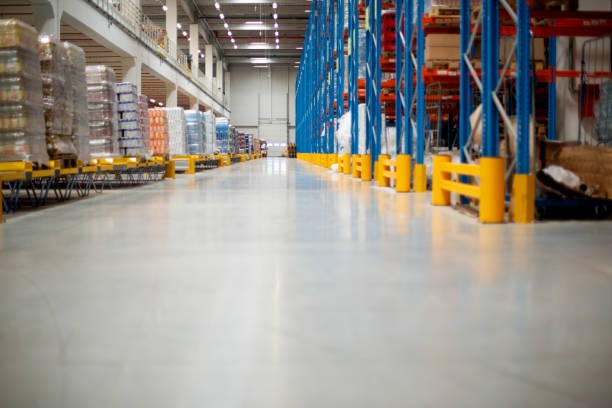
Industrial flooring is one of the most important investments for warehouses, factories, and production facilities. A strong floor supports equipment, protects workers, and helps maintain efficient operations. Businesses operating in demanding environments require flooring solutions that can withstand constant movement and pressure without losing performance.
Modern industrial spaces face daily challenges from forklifts, pallet movement, chemical spills, and heavy machinery. Flooring systems designed for industrial applications provide resistance against wear, moisture, and impact. These surfaces help businesses maintain productivity while reducing maintenance interruptions.
As industries continue to expand, the use of high traffic flooring industrial solutions has become increasingly important for maintaining long-lasting and reliable facilities.
Role of Flooring in Industrial Operations
Industrial flooring directly affects workplace efficiency and safety. Uneven or damaged floors can slow transportation, increase repair costs, and create safety risks for workers. Durable flooring systems improve operational flow by creating stable and smooth surfaces.
Warehouses especially require strong flooring because inventory handling equipment moves continuously throughout the facility. High-performance floors help reduce friction damage and support long-term usage under heavy loads.
Many facilities now depend on high traffic warehouse floor systems because they improve structural strength and reduce flooring deterioration caused by constant industrial activity.
Best Flooring Options for Warehouses
Several flooring systems are commonly used in industrial facilities based on operational requirements. Epoxy flooring remains one of the most trusted solutions because of its strong resistance to chemicals, abrasions, and heavy traffic.
Concrete densifiers and polished concrete are also widely used due to their affordability and low maintenance requirements. These systems improve floor hardness and provide smooth surfaces for equipment movement.
For facilities exposed to temperature variations, polyurethane flooring offers excellent durability and thermal resistance. Many industries choose high traffic flooring industrial materials that match their operational environment and long-term maintenance goals.
Importance of Surface Strength
Industrial flooring must tolerate high pressure from machinery and transportation systems. Strong flooring surfaces help prevent cracking and maintain stable operations. This is particularly important in logistics centers where continuous movement occurs throughout the day.
A durable floor also improves worker confidence and reduces equipment vibration during transportation activities.
Chemical and Moisture Resistance
Industrial environments often expose flooring surfaces to oils, chemicals, and water. Resistant flooring systems protect against corrosion and staining while maintaining surface quality over time.
Businesses installing high traffic warehouse floor systems often prefer coatings that prevent moisture penetration and simplify cleaning procedures.

Installation Process and Preparation
Proper installation is essential for achieving maximum flooring durability. Surface preparation includes cleaning, grinding, and repairing damaged concrete before applying coatings or overlays.
Professional installation teams evaluate floor conditions and select suitable materials based on industrial requirements. Proper curing time is also important because it affects floor strength and adhesion performance.
Companies using high traffic flooring industrial systems benefit from professional installation because it ensures long-lasting functionality and reduced repair frequency.
Maintenance Strategies for Industrial Floors
Routine maintenance helps preserve industrial flooring quality for many years. Cleaning schedules should remove dust, grease, and debris that can weaken flooring surfaces. Regular inspections also help identify early signs of wear.
Protective coatings can improve floor lifespan by increasing resistance against scratches and abrasions. Businesses should also manage heavy equipment movement carefully to avoid unnecessary surface damage.
Many industrial facilities rely on high traffic warehouse floor systems because they require minimal maintenance while supporting continuous warehouse activity.
Growing Demand for Industrial Flooring Solutions
Industrial growth and warehouse expansion have increased the need for advanced flooring systems. E-commerce operations and logistics facilities require strong surfaces capable of supporting high-volume traffic every day.
Modern flooring technology now includes anti-slip coatings, enhanced durability layers, and environmentally friendly materials. These innovations improve workplace safety while supporting sustainability goals.
The market for high traffic flooring industrial applications is expected to grow further as industries continue modernizing warehouse infrastructure and manufacturing facilities.
Conclusion
Industrial flooring plays a major role in maintaining safe and productive work environments. Strong flooring systems support heavy equipment, improve operational efficiency, and reduce maintenance costs. Businesses that invest in durable flooring solutions benefit from long-term performance and enhanced workplace safety. Reliable high traffic warehouse floor systems continue to provide essential support for warehouses and industrial facilities handling demanding operational conditions every day.
Leave a Reply